Why Lowry Studios made me want to come back
Caleb Worrath sees Lowry Studios as more than a small campus; inside its gear rooms, halls and student projects, he sees a film school with serious ambition.
A hidden film world
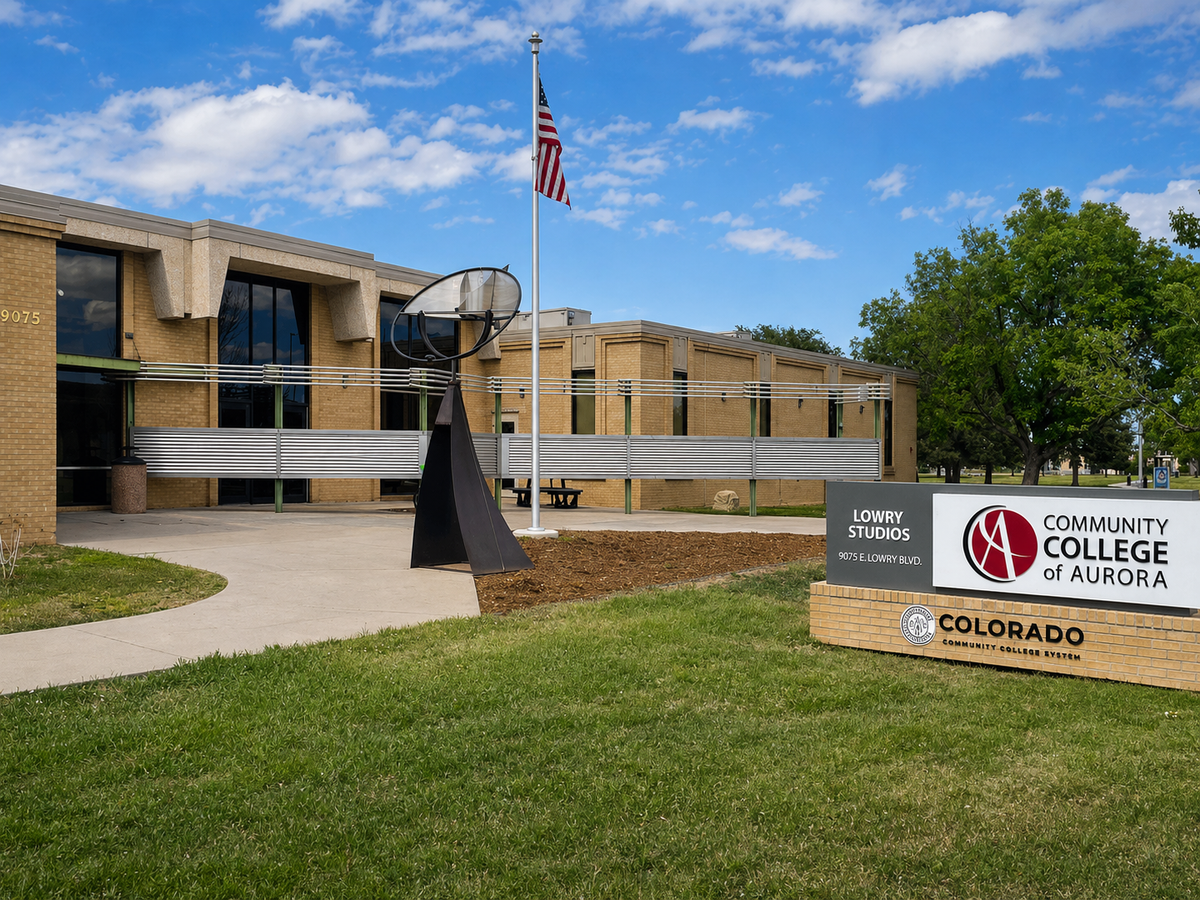
Lowry Studios, the place many students and alumni still remember as Colorado Film School, feels like the kind of place you almost want to keep to yourself. I was there for a student newspaper project, and I walked away mesmerized by it. It does not look like much from the outside, but inside it feels like a hidden little film world. The lighting is gentle, the halls are winding almost like a maze, and the posters for films like The Godfather, Psycho, and Citizen Kane make it feel less like a regular school building and more like a small theater where people still care deeply about cinema. It is mostly quiet too, which somehow makes it feel even more intimate, like the place is just waiting for the next project to come alive.
Open doors changed the feeling
What stood out to me most was how easy it was to actually be there. Office doors were open, people were easy to approach, and the staff I talked to were warm, casual and immediately supportive. Leah Springman, a staff member at the school, immediately started connecting me with students she thought I should talk to for the newspaper project. I even met with Dean D'Angelo in the hallway, and we just stood there talking for a few minutes with no rush and no sense that I was interrupting something bigger than me. That kind of openness changes the whole feeling of a place. It makes Lowry feel welcoming in a way that bigger campuses sometimes do not.
The cage felt like the center
The heart of it might honestly be the gear cage, the equipment room where students check out cameras, lights and other production tools. For a place that looks small, it feels like a lot is happening all at once. The door was open, there were always students around, gear everywhere, and it felt like the center of the whole school. People were easy to talk to, whether it was about the newspaper, the school, or the work they were doing. Caleb Worrath, a student there, even described it as “the best film school in the country,” which is a bold thing to say, but in that room it did not sound crazy.
Small, but connected to something bigger
What kept coming up, from both students and alumni, was how hands-on the program is. Alumni like Westley Braxton talked about doing 30 projects while they were there, and another student, Teagon Andress, described Lowry as less like a school and more like “a miniaturized version of the larger industry.” Add in the big screen showing student shorts and red-carpet scenes, and the place starts to feel connected to something bigger than its size.
That is probably what makes Lowry Studios stick with me. It is small, but that smallness is part of what gives it soul. And when you walk back outside, it somehow feels even more hidden and special than it did when you first came in. It does not feel flashy. It feels cozy, personal, and real. The kind of place that makes you want to come back, sit down, and see what gets made next.
Correction: An earlier version of this article misidentified Caleb Worrath as Brandon Worrath.
Comments ()