At Oscar-qualifying film festival, students found the door open.
Ellis Schaefers left Aspen Shortsfest with credited work, filmmaker interviews and a clearer claim on the professional film world he wants to enter.
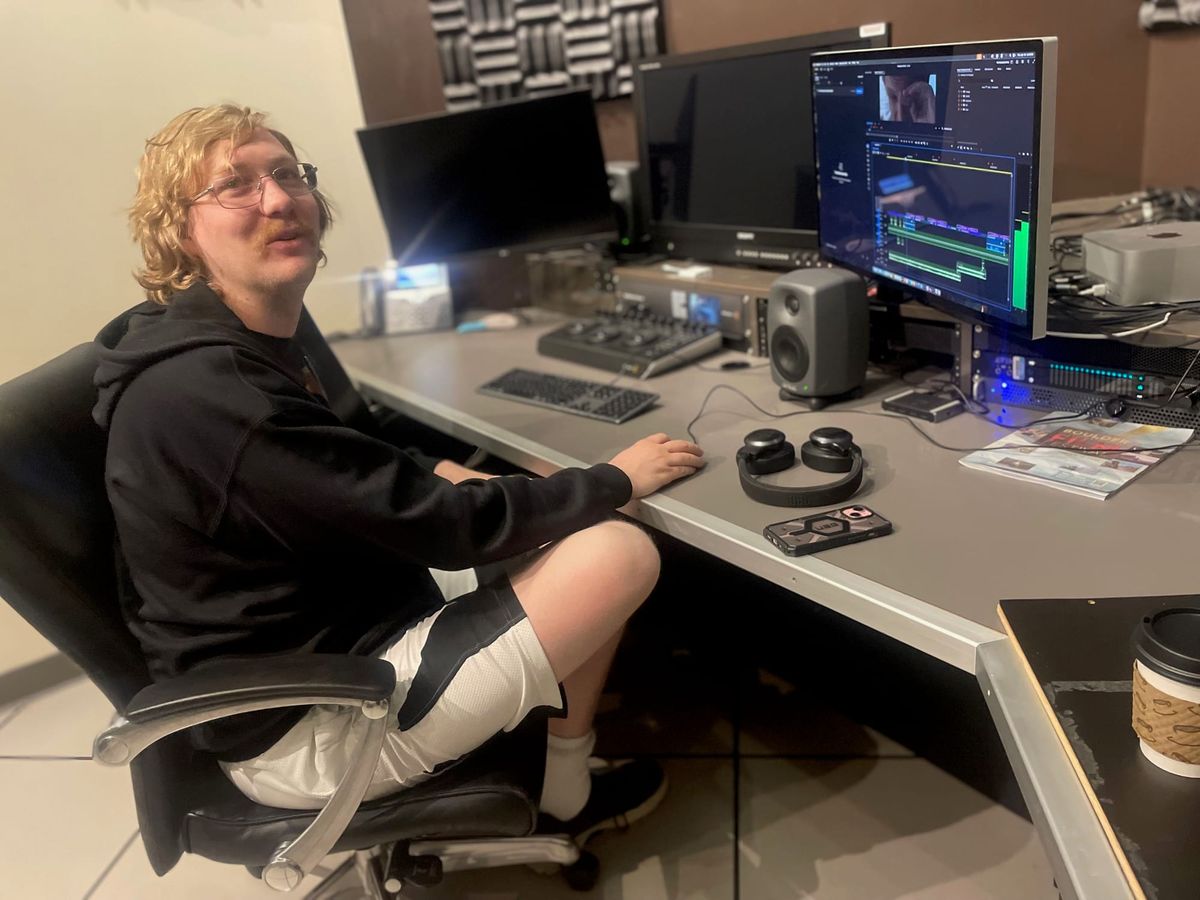
Before Ellis Schaefers left for Aspen, he already had a theory about what the trip meant.
“I would say it feels like stepping into the real film world,” Schaefers said before the festival. He called Aspen Shortsfest “a great first step into that real film world” and said the Oscar-qualifying label gave the event real legitimacy. “It feels like a rare thing,” he added, because only a few students get picked to go.
For CCA student Sofia Race, who previously worked the festival, the attraction was not just status. It was how possible the work felt once you were there.
“We as a school are at a level where we can shoot these types of things as well,” Race said. “It’s really fun knowing what is attainable and seeing other people obtaining.”
According to faculty adviser Matthew Baxter, four CCA students spent three nights in Aspen documenting the festival through interviews, Q&As, panels, testimonials and media assets for Aspen Film. Baxter said students worked as videographers and content creators, with roles tied to editing, cinematography and grip/electric work.
Aspen tested the theory
This spring, Schaefers found out whether that held up.
It did, but not because Aspen was easy.
He said the days started around 7:30 a.m. and often ended around 11 p.m., with the team moving between Aspen and Basalt, helping set up Q&As and panels, recording events and staying on the move for most of the day. By the end of the trip, he said, the group had been working roughly 15-hour days for four days straight.
Work, not just screenings
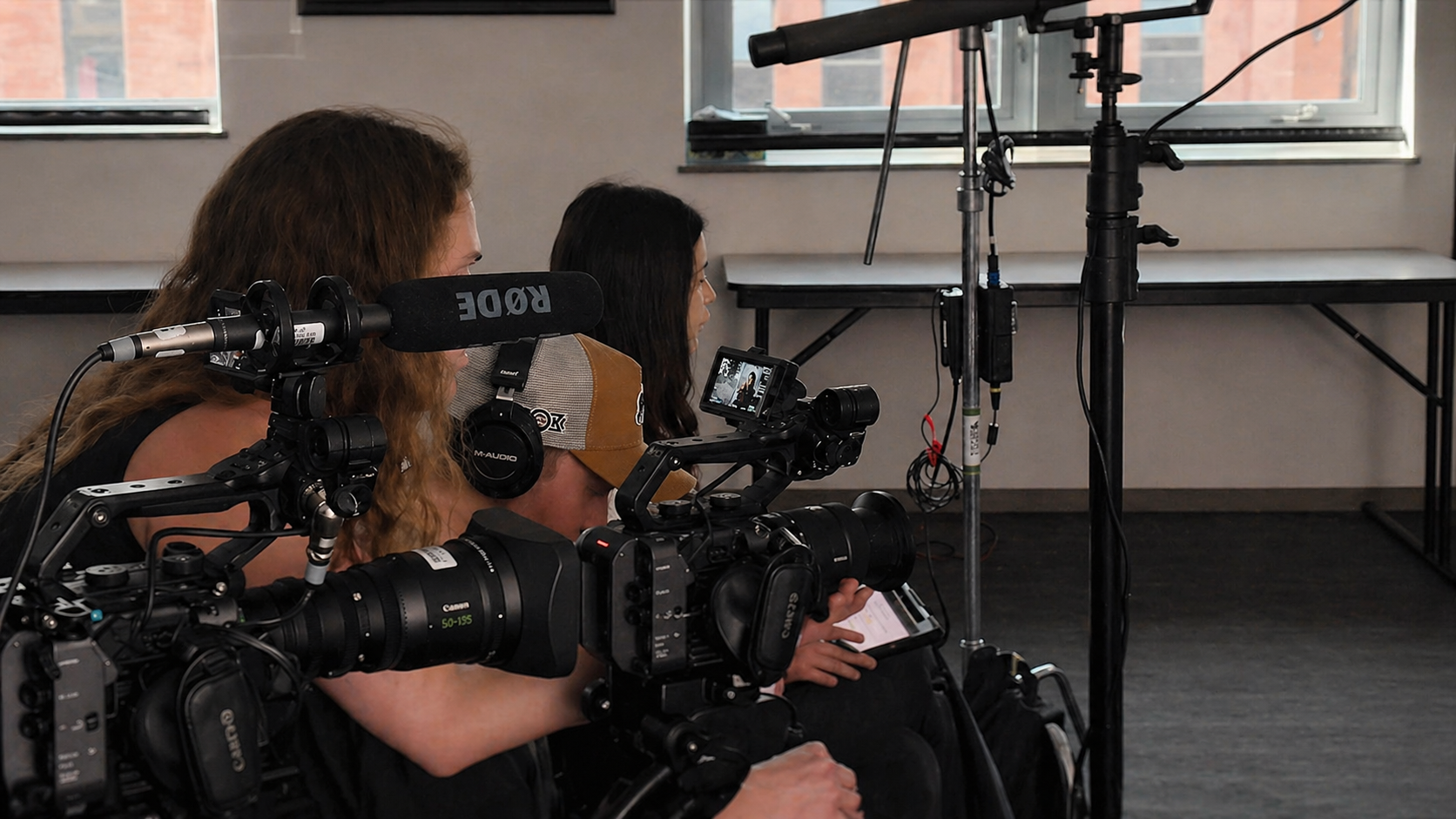
Schaefers was not just watching films. He said he helped research filmmakers, write questions for sit-down interviews and prepare material he will continue helping edit after the trip. Baxter said the goal was for students to produce more focused deliverables for Aspen Film, not just observe the festival from the audience.
“I can point towards that and say, ‘Hey, I worked on this,’” Schaefers said, describing the value of leaving with something tangible and credited.
Access beyond the theater
But the bigger surprise was what happened around the screenings.
“I felt more among them than probably any other film festival I’ve gone to,” Schaefers said after returning. “You’re pretty much constantly bumping into the filmmakers all the time and talking to them.” He said Aspen felt more open than other festivals he had attended because the audience interaction did not stop when the Q&As ended. People kept running into one another in the lobby and across the following days.
Race described the same thing from her earlier trip. She said networking events were open, conversations continued during the day and at night, and “nothing was barred” from the students. “There was no distinction really between us” and the other people there, she said.
That access turned out to matter more than the screenings alone.
Schaefers said the most useful parts of Aspen were the panels, networking events and everything surrounding the showcases. “The actual networking and meeting people before and after was probably the more important part as a filmmaker and trying to make connections,” he said.
Race said hearing filmmakers explain everything that almost went wrong with their projects made the work feel less intimidating and more realistic. “If they can go through this, we can go through this as well,” she said.
High-level, but not unreachable
The films themselves still made clear how high the level was. Schaefers said most of the work felt professional, with some projects tied to names and institutions like Dolby and The New York Times.
But he did not come back describing Aspen as a world reserved for other people.
He came back describing it as demanding, useful and unexpectedly open.
“One thing I will say is that you have to prep yourself for doing a lot of work and working long hours for four days,” Schaefers said. “But in my opinion, what you get out of the experience is very substantial overall.”
Correction: An earlier version of this article misspelled Ellis Schaefers’ last name as Schaffers. It has been corrected.
Comments ()