“We have fallen short”: Democrats say they need young voters, but community college students remain the harder problem
FoxTalk asked Democratic candidates at DemFest how they would reach students who work, commute or do not believe politics changes anything for them. Their answers showed a gap between the party’s need for young voters and its still-developing outreach to community college students.
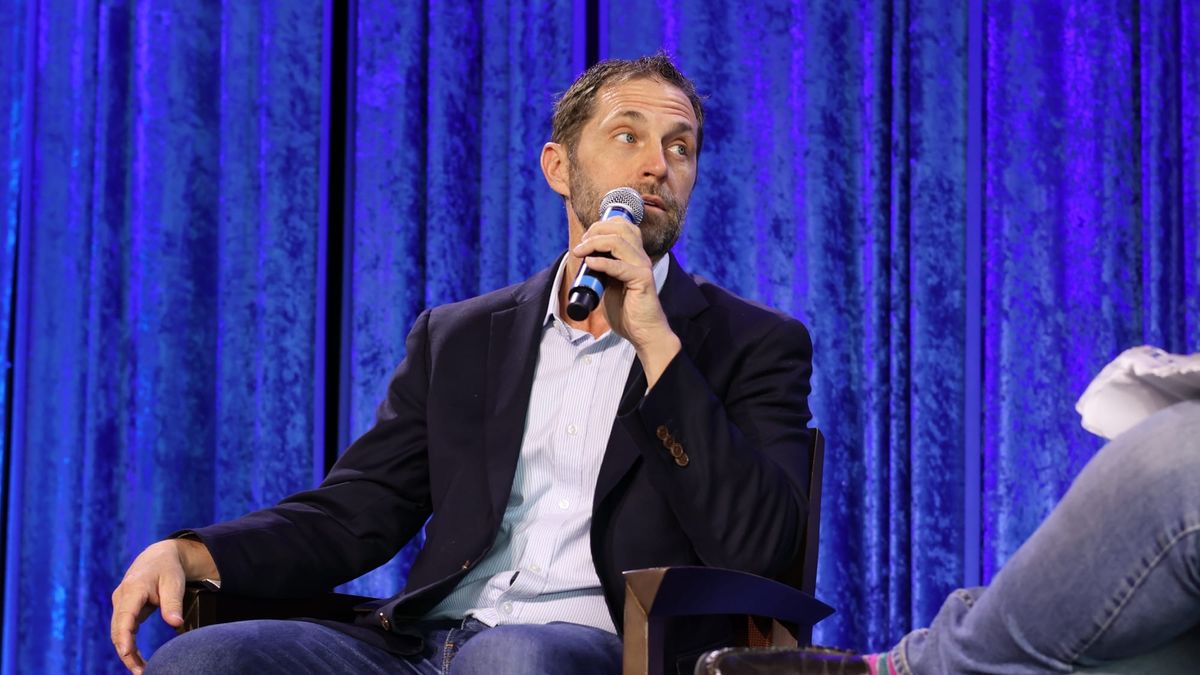
DENVER. Referring to voters who feel they have voted, marched and paid attention while politics still feels broken, U.S. Rep. Jason Crow said Democrats have “fallen short.”
FoxTalk did not interview Crow directly, but his answer echoed a question FoxTalk asked candidates and young political leaders throughout DemFest: how can Democrats reach students who work, commute or do not believe politics changes anything for them?
U.S. Rep. Joe Neguse gave that problem a name during a separate DemFest panel.
“I think that there’s an authenticity gap,” Neguse said, referring to how young people view politics and political conversations.
FoxTalk asked Amanda Gonzalez and Jessie Danielson, Democratic candidates for secretary of state, how they would reach students who know they can vote but do not believe voting changes anything for them.
Gonzalez, the Jefferson County clerk and recorder, said the timing of Colorado’s June primary can create a practical problem for students.
“A lot of students move,” Gonzalez said. “Maybe they’re coming back to the same location after the summer, but there’s a lot of movement that happens over the summer.”
She said ballots are not forwarded, which means a ballot sent to an old address can be returned and a voter can be marked inactive.
“It doesn’t mean that you’re not a voter, but it does mean that we’re not going to mail you a ballot automatically next time until we know we have the correct address,” Gonzalez said. “The timing of our election is a problem because it impacts whether or not students are going to get their ballot in the mail in the next election.”
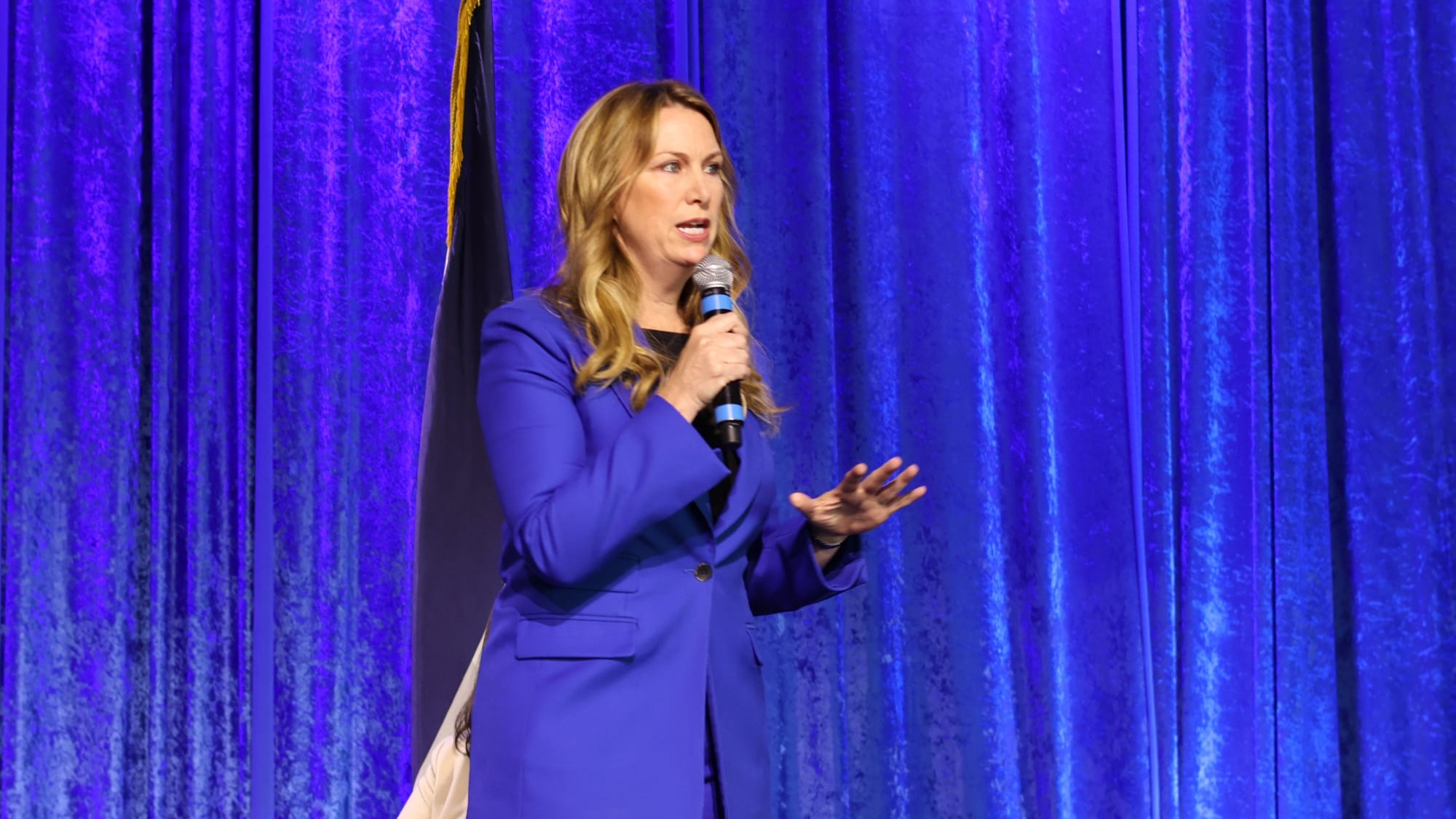
Danielson, a state senator, said she understands why some students feel their vote does not matter, but said she has seen elections decided by only a few votes.
“As secretary of state, what I intend to do is engage young voters and student voters, but not all youth voters are students,” Danielson said.
Danielson said young voters should help advise the office on what would actually work.
“If apathy is a big deterrent for them participating, there are ways to address it,” Danielson said. “I intend to engage them to advise us on how to move forward in a way that’s actually effective.”
FoxTalk also asked Democratic organizers what they are doing to reach working and commuting students.
Noah Lubert, deputy treasurer for the Democratic Party of Denver and former secretary of the Denver Young Democrats, said Denver Young Democrats had elected a college and high school outreach organizer and was working with College Democrats of Colorado.
But Lubert said politics can still be hard to access for young people.
“I myself, as a young person, I just got out of college,” Lubert said. “Politics is pretty inaccessible for me.”
He said he works in the service industry and late nights can make it difficult to attend political events. He also said some young people are priced out of paid political events.
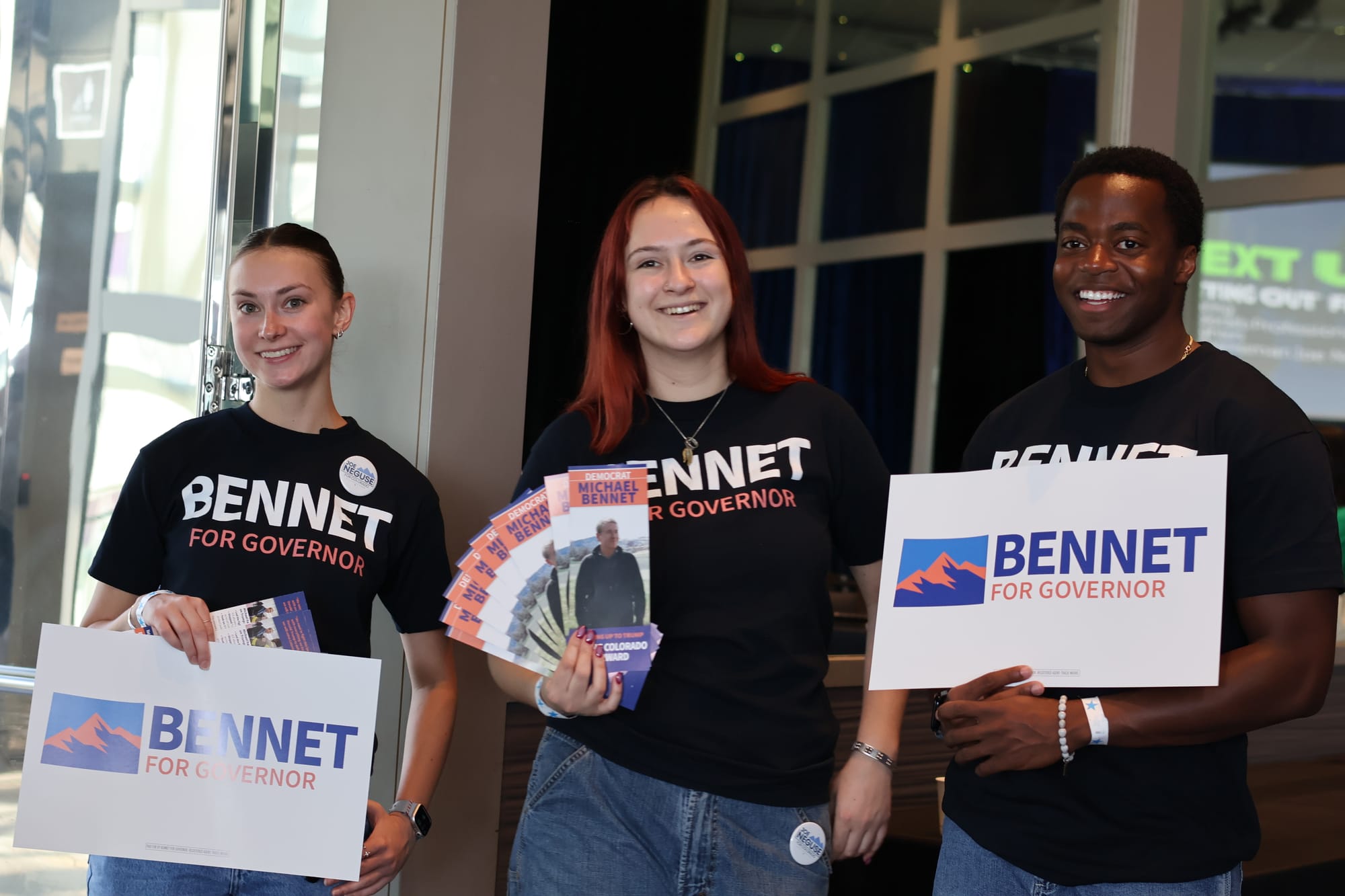
Teddy Heffley, a University of Kansas student supporting Michael Bennet, said Bennet’s campaign speaks to issues affecting people his age, including education costs and housing costs, AI, mental health, drugs and alcohol.
“I think Michael brings a lot of substantive policies and views on issues that are pertaining to the kids my age,” Heffley said.
Luke Miller, vice chair for College Democrats of Colorado, said he was speaking for himself, not the organization, before giving one of the most candid answers on community college outreach.
“I don’t have a fully developed response,” Miller said.
Miller said community college outreach is something political organizers are “still trying to figure out.” He said traditional college outreach often focuses on residential or four-year campuses, while community colleges and commuter schools require a different approach.
“I think a big part of it is being there,” Miller said.
He said organizers should let students say what they care about instead of arriving on campus with a fixed political message.
“I think that’s a big part of it, just letting people articulate what they care about versus saying, so what you should care about,” Miller said.
Crow said Democrats need to go places they have not gone and stop assuming they already know what voters need.
“We actually have to listen with some empathy and stop with the savior complex,” Crow said.
Comments ()