Watch: Nvidia board member Mark A. Stevens on AI, careers and education
FoxTalk Editor-in-Chief Andy Green asks Stevens about AI’s impact on entry-level careers, what students at smaller colleges need to compete and his plans for philanthropy in Colorado.
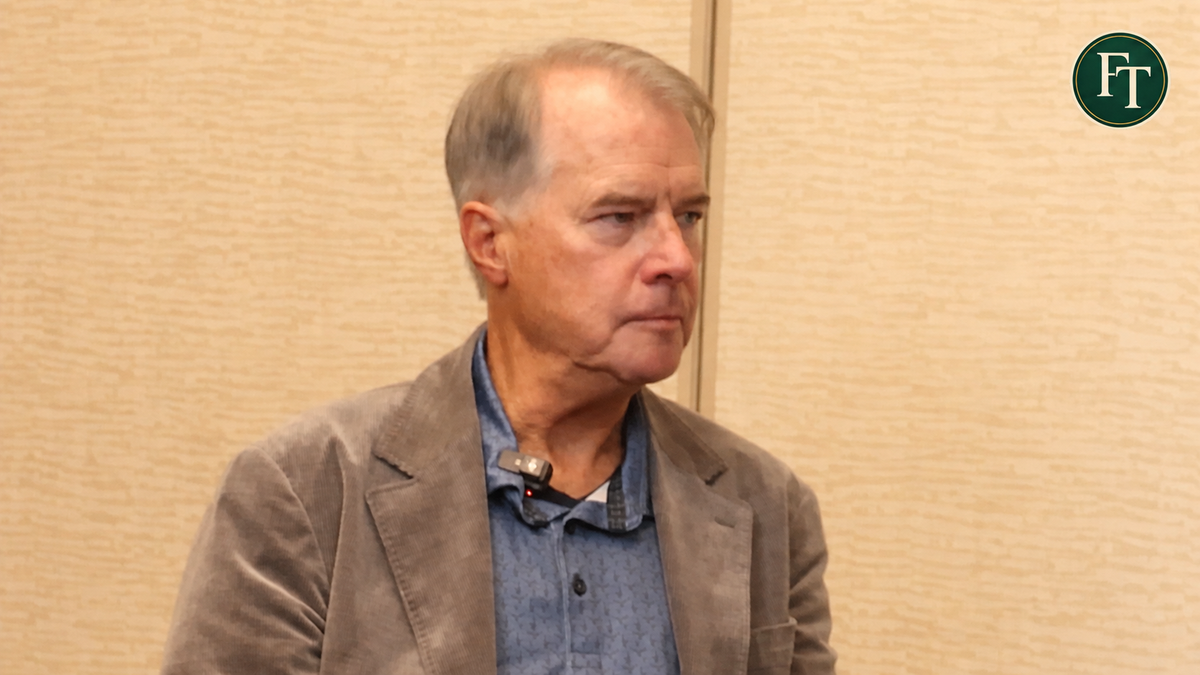
Watch the full interview below.
The transcript below has been lightly edited for length and clarity.
On AI and entry-level careers
Andy Green: If AI takes over more of the junior work people used to learn on, where does a 20-year-old get the experience needed to move up?
Mark A. Stevens: Well, I think a 20-year-old needs to be AI native and AI aware and be able to use AI tools to do their job. So I don't see AI necessarily replacing a lot of entry-level positions.
It will actually enhance the scope and the capability of those entry-level positions. If we don't have young people who are pursuing entry-level positions being aware of what AI can do to help, then their careers are at risk. So coming out of college or high school being AI aware is super important, I think.
On what success would look like for USC's $200 million AI investment
Green: Five years from now, what is the one result that would make you say that the $200 million USC AI investment worked?
Stevens: It will be a success if USC's faculty and graduate students make meaningful contributions to furthering AI as it moves across society. Another big area for the gift is to make all of the departments, whether it's the humanities or the medical school or the business school, infusing AI into those curricula. So when those students go out into the world, again, they're AI aware, they're very comfortable using AI tools.
And so we want every student at USC, undergraduate student, graduate student, to be AI equipped.
On whether students at smaller colleges can still compete
Green: Most students will never attend a university that can put $200 million into AI. What does a student at a community college or a smaller public university need so that they can still compete?
Stevens: Well, they can still compete by, again, adopting on their own tools like Claude and so forth.
Junior college students or students who are at smaller universities can still compete if they take a very sort of proactive and embrace AI and not be fearful of it.
On two major education investments
Green: Within 10 days this year, you and Mary committed $375 million to two education projects. What do you see changing that made you want to make both bets now?
Stevens: One of the gifts we did was to start a new medical school in conjunction with Sutter Health and Santa Clara University, which was my wife's alma mater.
And it's a very unique model on starting a new med school with an established university and with a very established large health care delivery network. And again, it will be an opportunity to really start with a clean slate, start a brand new medical school with a brand new curriculum, AI native curriculum. And it's the first brand new medical school in Northern California in 100 years.
And there's clearly a need for more doctors and more clinicians across the country. And so we think this gift will help kickstart that.
On future philanthropy in Colorado
Green: Now that Colorado is home, do you see a major education or technology investment as part of your future philanthropy?
Stevens: Potentially.
We've done a lot of philanthropy in Northwest Colorado thus far around affordable housing, food security, education, mental health. But we will continue our philanthropy here across a wide variety of spectrum. And so we think that Colorado is a great place.
It's very innovative. And so we look forward to keeping our philanthropy effort at a pretty high level in Colorado.
Comments ()