“More indoctrination than educating”: Bottoms calls for shifting money from four-year colleges
The Republican candidate for governor told FoxTalk that Colorado should put more money into community colleges. He also proposed automatic transfer scholarships, transportation help and additional aid for adult students.
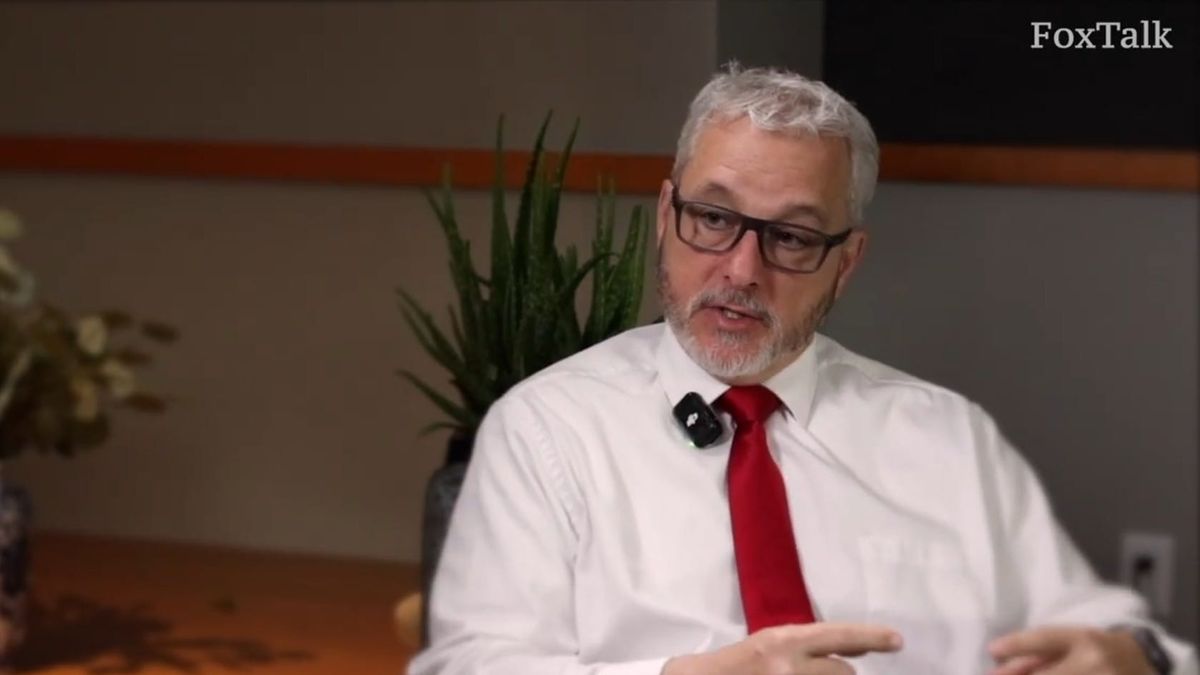
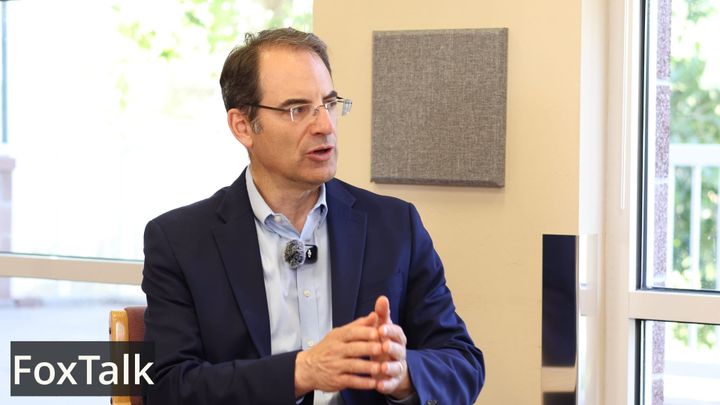
Republican governor candidate Scott Bottoms argued that Colorado should pull some state support from four-year institutions and direct it toward community colleges.
Bottoms, a Colorado Springs pastor and state representative, drew a stark divide between the two sides of higher education during a student-focused interview.
“I think a lot of our higher academies, our traditional four-year schools, I think they’re buying into some things that are not healthy,” Bottoms said. “Community colleges don’t struggle with that in the same way.”
He proposed automatic scholarships for community college students who transfer to an in-state public four-year college, discounted transportation, more support for child care and targeted grants for adults returning to school.
“We’re not putting enough money into the community college system,” he said.
Automatic scholarships for transfer students
Bottoms called a statewide transfer scholarship one of the simplest steps Colorado could take.
“If you’re in a community college, I think that you should automatically get certain scholarships to continue that education if you continue in a state college in the state of Colorado,” he said.
Colorado already guarantees the transfer of qualifying general education courses and offers transfer degrees that allow community college graduates to enter participating universities with junior status. Bottoms’ proposal would add direct financial assistance to that pathway.
Bottoms tied the idea to his own uneven start in higher education.
After serving in the Navy, he enrolled at a state college but was not prepared to succeed, he said.
“I failed all my classes,” Bottoms said. “I failed out of the school. It’s because I wasn’t ready for that. I hadn’t committed to that. That was just what I was supposed to do.”
Students who complete two years at a community college have already shown that they are prepared to continue, he said.
“Why wouldn’t we naturally give some of those grants and scholarships to continuing their education rather than starting off as a freshman?” Bottoms said.
The “blue collar” side of higher education
Bottoms described community colleges as the “blue collar” branch of higher education because of their focus on practical instruction, local employers and job placement.
“If you want to look at higher education, white collar, blue collar, they’re the blue collar that’s going to get in, roll up their sleeves, and do the hard work to get these people educated,” he said.
Bottoms said community colleges and trade schools are responding better than traditional institutions to a national shift toward technical training and career-focused education.
“I don’t think they are getting the job done like the community colleges are,” he said of four-year colleges. “The community colleges are focusing much more on education nowadays than I believe the traditional four-year colleges are.”
Fees, child care and transportation
Asked which costs he would confront first for students struggling with tuition, books, food, transportation and child care, Bottoms pointed to mandatory fees.
“I think the bigger picture is going to be some of the fees,” he said. “Those are things that are coming from the top down rather than from the bottom up.”
He said Colorado should streamline regulations, remove some fees and expand child care options, including programs located on community college campuses.
Bottoms also proposed bus passes or other transportation assistance specifically for community college students.
“Let’s help them get some bus passes,” he said.
Grants instead of more student debt
Bottoms said Colorado should create targeted grants for parents and adults returning to school after spending years outside the classroom.
His wife recently completed a bachelor’s degree about 35 years after beginning college, he said. Her experience made the barriers facing returning students personal to him.
Bottoms said colleges should also provide financial advisers who are independent from the student-loan system and can help students locate grants and other assistance.
“I think we’ve got to stay away from the loan track,” he said. “The loans are what hurts everybody long term, and it hurts the entire system.”
Bottoms claimed large amounts of scholarship and grant money go unused because students do not know the aid exists.
He suggested that community colleges advertise available aid more aggressively and reach directly into their surrounding neighborhoods.
Scholarships tied to employers
Bottoms also proposed expanding partnerships in which businesses help design community college programs and provide scholarships or grants.
In return, participating students could commit to working for the sponsoring company for several years after completing their programs.
“All you have to have is a commitment afterwards that I’m going to commit to work for this company for three, four years or whatever, and they give some grants and scholarships along the way,” he said.
A political constituency
Bottoms was unusually direct about why he believes community college and trade-school students could be receptive to his campaign.
“If you look at community colleges and trade schools, they’re going to be much closer to me politically than most of your traditional four-year schools,” he said.
He connected that belief to family life, workforce training and his opposition to cultural and political trends at four-year institutions.
“When you look at community college, these are people that live near that community college, are invested in their community at large, and so let’s invest in that,” he said.
Asked how students should judge his administration after one year, Bottoms said they should look at whether community college enrollment and funding had increased and whether the broader economy had improved.
“There are all kinds of different things that we can pull back from some of the four years and put into the community college,” Bottoms said.