FoxTalk asked 8 Democrats about college costs. The answers ranged from lawsuits to free tuition
One candidate called student debt “unconscionable.” Another said public college should be tuition-free. Another promised lawsuits. At DemFest, college costs turned into a fight over debt, Pell Grants, service programs and whether students are being priced out.
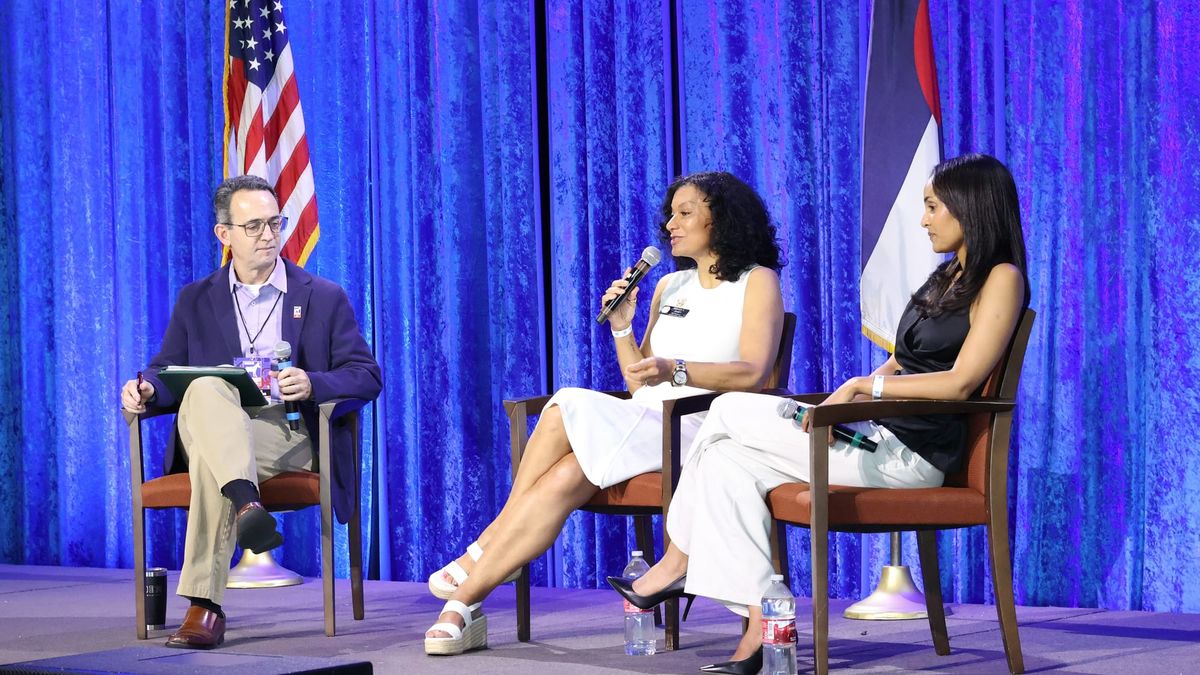
DENVER. Wanda James, a CU regent running for Congress in Colorado’s 1st Congressional District, said college costs are already pushing students out.
“I hear this so often when people say to me, ‘I can’t come back to school next year because I can’t afford to live off campus, I can’t afford to pay my bills,’” James said. “That is a travesty because there is nothing more powerful than an educated society.”
James said public education should be free “from kindergarten to 16”, referring to the K-16 education pipeline from kindergarten through a four-year college degree. and said Pell Grants should be protected and increased. She said Pell Grants paid for her own tuition, fees and books.
“Making sure that Pell Grant remains completely funded, and even increased once again, for students who want to be able to work,” James said.
Melat Kiros, also running in CD-1, gave one of the bluntest answers. She said college affordability cannot be solved without reversing decades of public disinvestment.
“We have seen over the last three to four decades a massive disinvestment from public schools, specifically state colleges,” Kiros said. She said that has kept working-class people from getting higher education “without the burden of a lifetime of debt.”
Kiros said student debt cancellation should be part of the answer, but not the whole answer.
“We have to put massive federal investment back into our state colleges,” Kiros said, adding that tuition-free public college should become “the norm across the entire country.”
Eileen Laubacher, a retired rear admiral running for Congress in Colorado’s 4th Congressional District, said community colleges need more investment and more access points, especially in areas where students do not live near one.
“We need to be working on investing in community college even more,” Laubacher said. “We need to be making sure that, first of all, it’s more available.”
Laubacher said online options should be expanded and community college costs should come down so students can enter programs “in a reasonable way.” She also connected the issue to her own family.
“I’ve got two kids in college right now myself, and I know how unbelievably painful that is,” Laubacher said.
The attorney general candidates were asked a different version of the question, focused on student debt.
Jena Griswold, Colorado’s secretary of state and a candidate for attorney general, said she would use the office to fight any federal rollback of student loan forgiveness.
“I will sue the Trump administration for anything they do to try to roll back loan forgiveness,” Griswold said.
Hetal Doshi, a former federal prosecutor running for attorney general, said the office should look at student loan forgiveness, tuition increases, financing terms and lending practices.
“It is unconscionable that our youngest, brightest minds are entering the workforce saddled with $100,000, $200,000, $300,000 of debt in a market where AI seeks to supplant a lot of those entry-level jobs,” Doshi said. “It is a perfect storm.”
Doshi said the next attorney general needs both an economic background and national leadership experience to fight for students.
David Seligman, an attorney general candidate and workers’ rights attorney, said his first answer was tuition-free college.
“First of all, we need tuition-free college,” Seligman said.
He said the attorney general’s office should go after “scammy for-profit schools” and student loan servicers. Seligman said Colorado cannot rely only on federal agencies to handle the issue.
“We’re going to have to lead that charge right here in Colorado,” Seligman said.
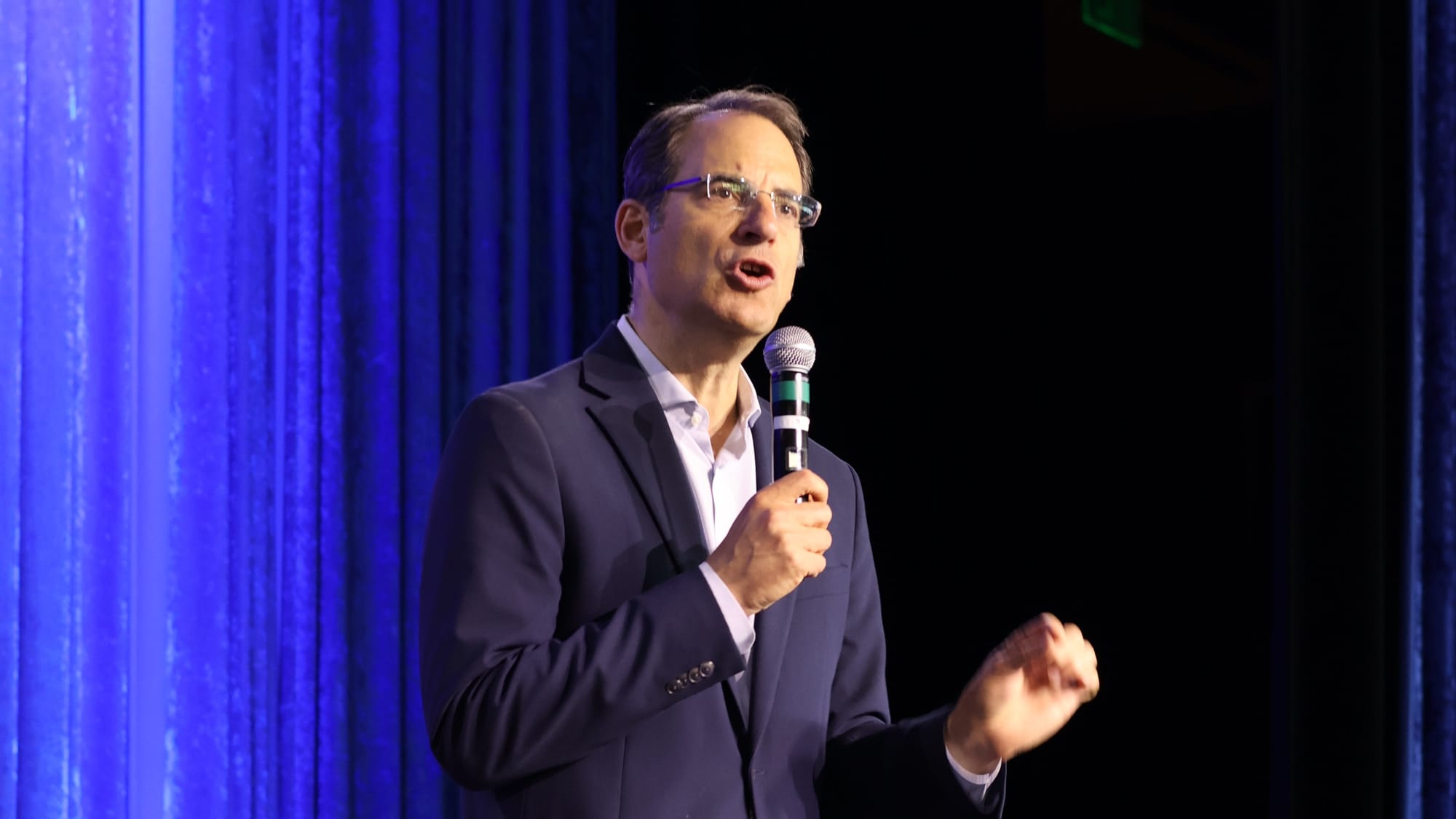
Phil Weiser, Colorado attorney general and a Democratic candidate for governor, pointed to a program he called Colorado Core when FoxTalk asked what he would do as governor to make community college more affordable.
“The idea is that people do service, then we help pay for higher education,” Weiser said.

U.S. Sen. Michael Bennet, also running for governor, said community college should not be treated separately from the rest of education.
“We have to make our entire system of education work better together, not just community colleges in isolation, but K-12 education, community colleges and higher education as well,” Bennet said.
Bennet said parents and students are worried about the whole education pipeline, not just one institution.
“What parents and kids are really worried about, we have to do a better job of integrating all of it,” Bennet said.
For working and commuting students, the answers now leave a second question: which of these campaign promises could actually become policy.
Comments ()