Tech executives say students should use AI, but not outsource their thinking
Asked by FoxTalk at Fortune Brainstorm Tech, leaders from Carvana, Upstart and Deloitte said students should experiment with AI tools while still building fundamentals, judgment and curiosity.
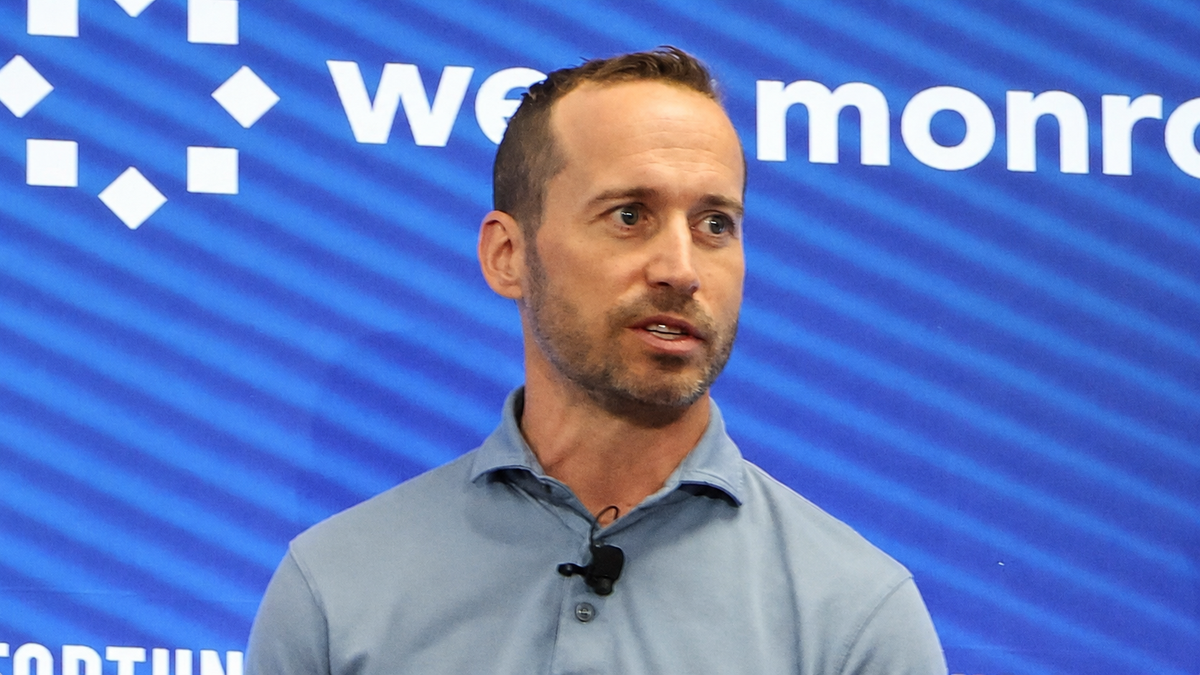
At Fortune Brainstorm Tech in Aspen, Dan Gill, Carvana’s chief product officer, was blunt.
“If you outsource all of your thinking to AI, then you’ll never learn anything,” Gill said.
Carvana ranked No. 314 on the 2025 Fortune 500, according to Fortune, and reported $20.3 billion in fiscal 2025 revenue.
“I tell every college student, but really anyone who’s interested in getting into any job market, you just have to go play,” Gill said. “You need to be using Claude. You need to be using ChatGPT. You need to be using Gemini. You need to have an opinion about why you like one more than the other.”
When asked if students should still learn computer science, Upstart's chief technology officer Grant Schneider gave a direct answer.
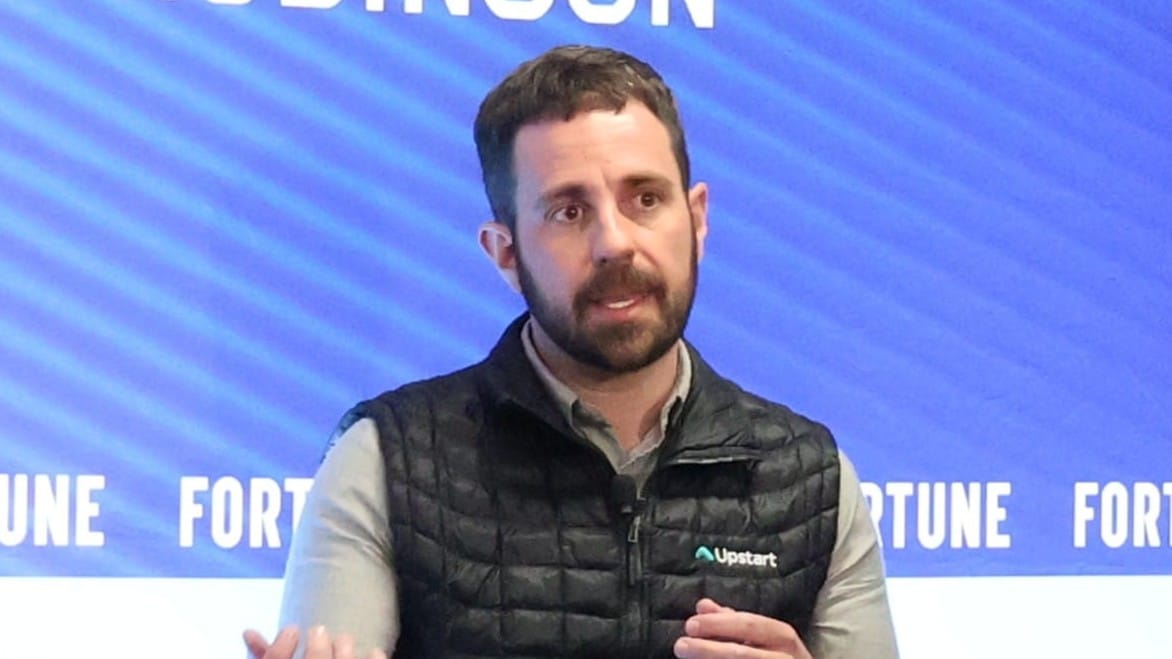
“There’s never been a better time,” Schneider told FoxTalk.
Upstart reported $1.0 billion in total revenue for 2025 and describes itself as a leading artificial intelligence lending marketplace. Schneider said AI may make coding easier, but that does not remove the need for students who understand the fundamentals.
“Students should learn critical thinking and the fundamentals,” Schneider said. “The need to decide what to build and what not to build and to really be able to validate the output of AI will not go away.”
His message to students entering computer science was “You’re joining the industry at a perfect time."
Widener says curiosity and agility matter
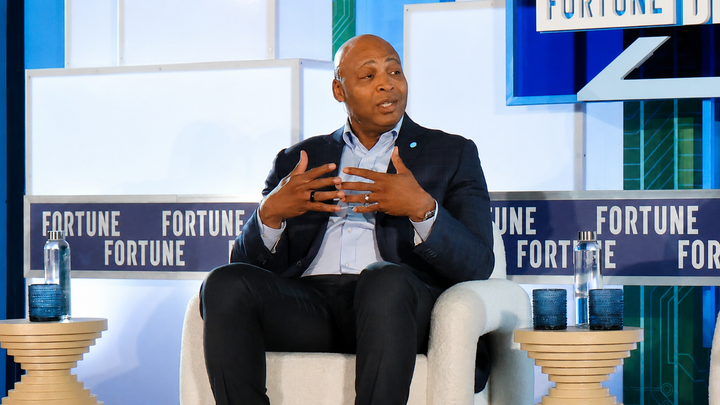
China Widener, Deloitte’s vice chair and U.S. Technology, Media & Telecommunications industry leader, said students should approach AI with curiosity rather than fear.
Widener said students entering the workforce should think about two traits: intellectual curiosity and agility. AI, she said, should not feel impossible to approach. It is “simply something new to learn.”
“They just need to be curious about it.”
Students also should not expect to master the tools immediately, she said.
“Not worry so much about your mastery, because that will come over time,” Widener said.
For Widener, the point was not that students need to know every tool now. It was that they should be willing to keep learning as the tools change.