Gap CTO and former Paramount executive tell FoxTalk why creative students should master AI
Gap CTO Sven Gerjets and former Paramount technology executive Phil Wiser said students should learn the tools without letting them replace the work.
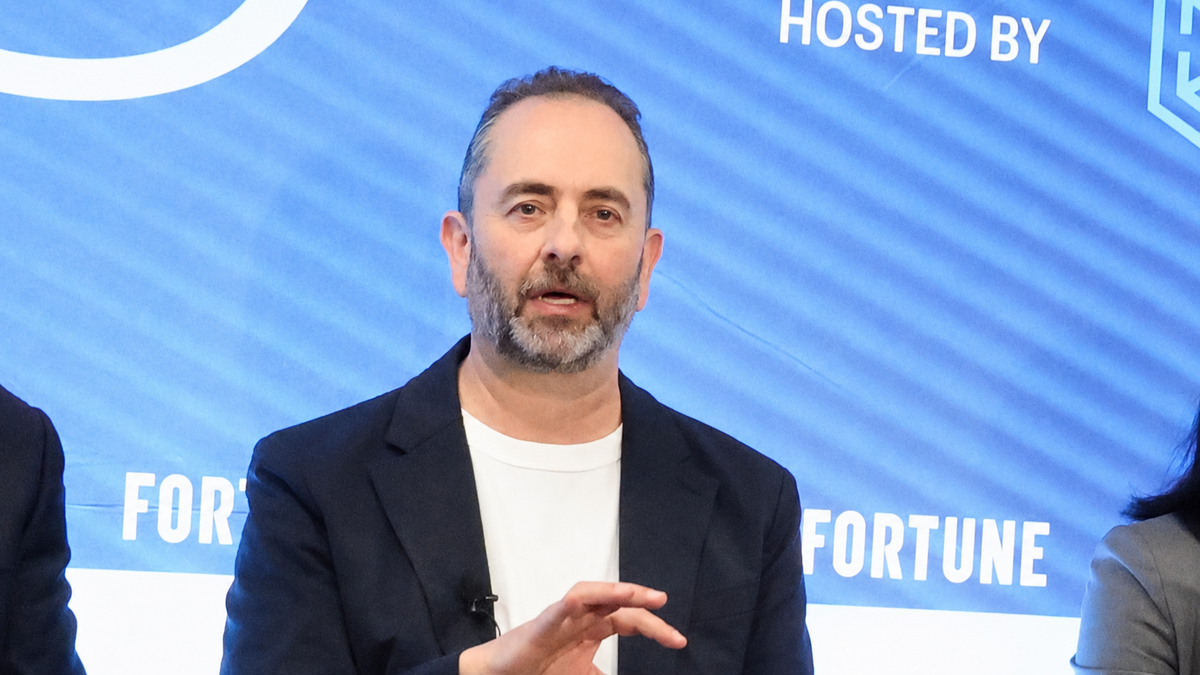
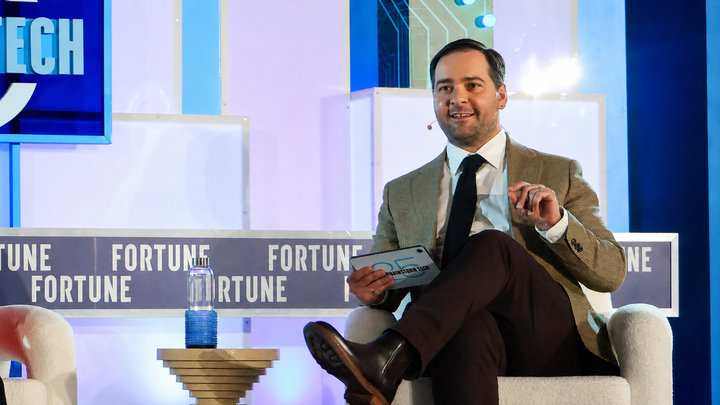
ASPEN, Colo. — Sven Gerjets said Gap Inc. is not trying to make fashion less human.
The company’s chief technology officer told FoxTalk that early-career creatives should learn artificial intelligence, but not treat it as a substitute for craft.
Gerjets spoke June 9 during a Fortune Brainstorm Tech roundtable on AI, automation and work in the physical world. Before FoxTalk asked him about students, he described how Gap is training employees to work with AI across the company.
He said Gap’s approach is “human-centered” and “visually enabled.”
“We don’t look at it as fashion becoming a less human business,” Gerjets said. “We have humans creating for humans.”
FoxTalk asked Gerjets what advice he had for early-career creatives who are hesitant to use AI in their work.
His answer was direct.
“Companies are going to be looking for amazing designers that also have AI skills,” Gerjets said.
Gerjets said companies will look for creative workers who can bring both ability and AI fluency to the job.
“Companies are going to be looking for amazing designers that also have AI skills” Gerjets said.
For him, the question was not whether students should choose intelligence, emotion or technology.
“To me, it’s not EQ or IQ,” Gerjets said. “It’s like become a master at AI and become a master at your craft, and you’re going to have opportunities.”
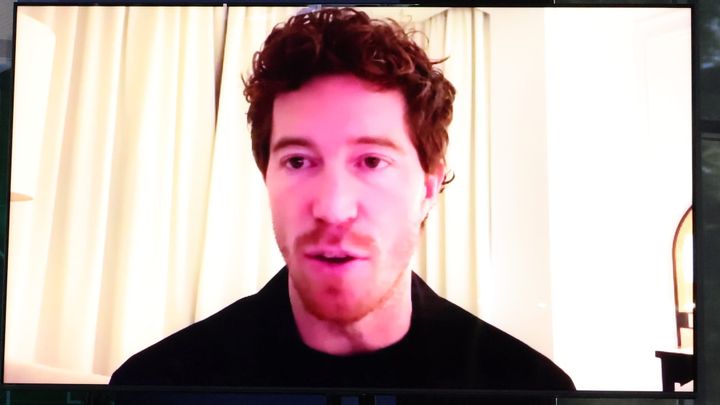
Phil Wiser, a former Paramount technology executive, gave similar advice from the film side.
FoxTalk asked Wiser what he would tell film students who are afraid to use AI in their work as they try to enter the industry.
Wiser said students should embrace the technology when it helps the audience, but not use it just to say they used it.
“Don’t go in to use AI just to say you’re using AI,” Wiser said. “You need to understand what the technology can do to tell your story better, or to express that visually, more impactfully.”
He said fear is not the right answer for students entering creative fields. Neither is handing the work over.
“I don’t think fear is the right answer for anyone entering the field,” Wiser said. “I also don’t think that blind adoption or forcing AI or any tool into art is the right answer either.”
Asked about students who worry AI could weaken their creativity, Wiser kept the answer simple.
“If you’re writing a story, write the story,” Wiser said.
AI can help analyze or flesh out ideas, he said, but it does not take ownership of the work.
“You’re still writing the story,” Wiser said. “You still have the idea.”
Wiser compared the moment to earlier shifts in creative technology, including digital visual effects and synthesizers in music. Each change brought fears that the old form would disappear, he said, but artists who used the tools to innovate helped push the work forward.
“The tool is just there to help you,” Wiser said. “It’s not there to replace you.”