Watch: Colorado deputy film commissioner talks Sundance opportunities and film careers for students
Arielle Brachfeld discusses festival work, student pricing, networking, production-office jobs and ways students can build experience as Sundance prepares to come to Boulder.
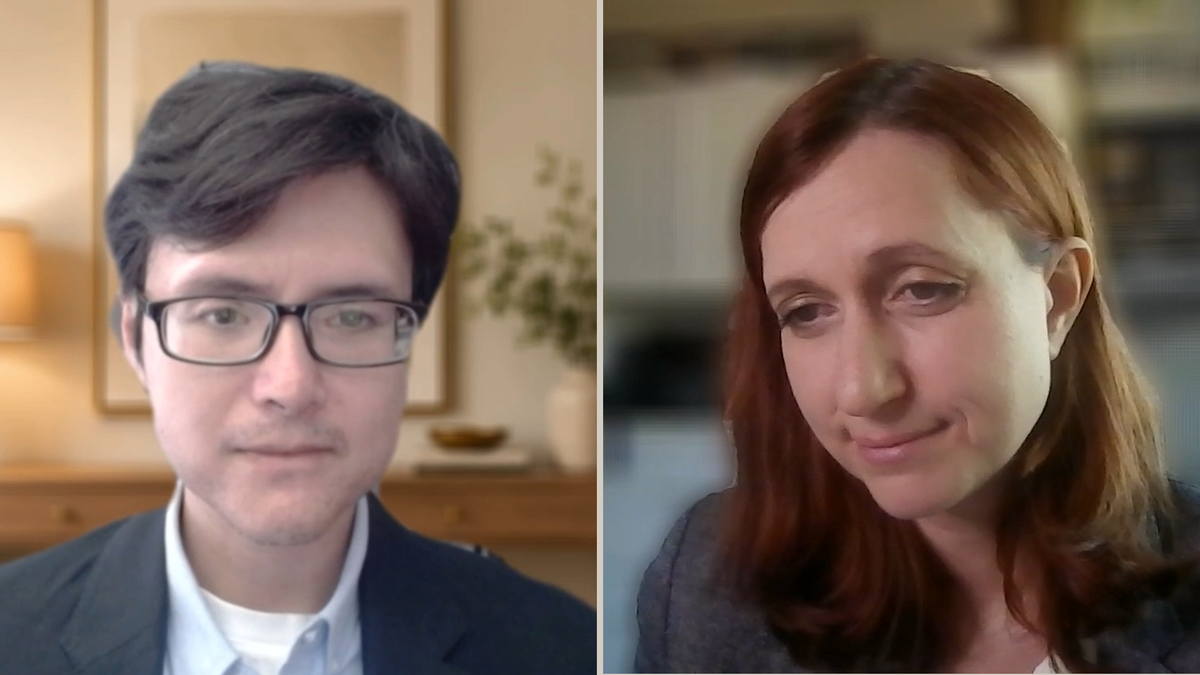
Colorado Deputy Film Commissioner Arielle Brachfeld spoke with FoxTalk on July 27 about opportunities for students as the Sundance Film Festival prepares to come to Boulder in 2027 and about how students can build experience in Colorado’s film industry.
The interview covers a planned statewide festival directory, paid work, student pricing and transportation, networking, production-office jobs and the skills Brachfeld recommends students develop.
Read FoxTalk’s related report: Colorado film office plans statewide festival opportunity directory as Sundance comes to CU Boulder
Reporting note: Two interview questions were adapted from suggestions provided by the CU Independent, CU Boulder’s student news outlet.
Transcript
This transcript has been lightly edited for readability and to correct obvious transcription errors. The substance of the questions and answers has not been changed.
Andy Green: What student opportunities connected to Sundance are confirmed?
Arielle Brachfeld: One of those direct things that can benefit students is we are launching a Reel Scout festival directory. Reel Scout is something that most film commissions use to house location directories or crew and support services directories. It’s a free directory that’s statewide, that’s vetted by our office.
So when we get a call from a production where they’re looking for crew or locations, we refer them to the directory. So please contact our office if you would like to sign up for that.
Again, we’re launching a first-of-its-kind festival crew directory to provide those opportunities to volunteer and work at film festivals.
The industry is very experiential, so looking for those opportunities to get hands-on experience is especially important for our students and emerging workforce.
One of the best ways to get involved, frankly, is to attend. Our industry is very network-based, whether you’re into production, live events or exhibition, specifically with film festivals.
It’s a very important step to establish that network. And what better way than going and attending?
There are several key Colorado film festivals in the lead-up to the Sundance Film Festival, which will be in January 2027.
I would encourage anybody interested in potentially participating in the Sundance Film Festival to look at those closer opportunities with other amazing Colorado film festivals, including Breckenridge, Aspen, Crested Butte, Denver Film and several others in the back half of 2026 leading up to the festival.
Green: Will any of those student roles be paid?
Brachfeld: I would defer to our amazing Sundance Film Festival team. We’re at the Film Office. We’re not in charge of hiring or placing folks with those types of opportunities.
What I would say is the key to getting those opportunities for paid positions is expanding your network and making sure that you have a good experiential, work-based learning background.
So look for those opportunities to have your skill set refined enough to be eligible for paid opportunities when they arise.
Green: Your office has hands-on film programs for high school students. Is there anything similar being planned for college students?
Brachfeld: If there is a specific need in your community, please approach our office and we can start brainstorming the best community partners to bring in and the best pathways to support.
Our primary mission is to support the industry in Colorado and to market and support the industry in Colorado. And, of course, our emerging workforce is such a key component of that wider strategy.
I think there’s a lot of opportunity to continue pursuing development of additional pathways, though currently, for our four-person office with our current general fund allocation, these are the ongoing programs that we’ve been able to commit to.
Green: What support is being considered for students who work or commute?
Brachfeld: There’s going to be some more information soon about specific student pricing for the Sundance Film Festival that will be announced. I would just keep ears and eyes peeled for those upcoming announcements.
In terms of mechanisms to support transportation, I know that there’s a lot of focus on streamlining commuting opportunities, transportation and parking opportunities for the community as a whole that students will, of course, be able to benefit from.
And then there’s going to be a continual conversation about how we can have Sundance Film Festival programming be available to wider audiences, whether that’s year-round programming, community screenings in partnership with other organizations, opportunities to meet and greet festival leaders and administrators or even institute leaders and administrators.
We’re still developing a very robust slate of opportunities for people to be able to engage without fiscal barriers.
Green: When you were a student at CU Denver, what opportunity did you wish you had?
Brachfeld: I wanted professional production experience. I wanted the opportunity to apply for professional production experience.
When I went to school, way back when, there were a lot fewer content-creation opportunities than there are now.
We are really fortunate to be living in an era where, with the phone that’s available in your back pocket, you can be a content creator, you can be a storyteller, you can be a filmmaker with gear that I didn’t have access to.
So I was beholden to the professional machinery that I may not have had access to outside of our incredible local news scene or documentary community or public television community.
At this age, the key driver for wide financial success is audience building and engagement and development.
And students in particular, being natives of this digital world, have a very unique ability to capture an audience and develop that with the tools that are readily available in a way that I never had.
I would highly, highly recommend that students and emerging professionals check out some of our industry groups.
We have Women in Film & Media Colorado, we have the Colorado Film & Video Association and Mountain Media Arts Collective. Those are our primary industry groups here in Colorado that can be that gateway to upcoming production opportunities or upcoming content- or creative-industry-based opportunities when productions need to crew up.
So I would highly encourage folks to check out those industry groups as well for opportunities.
We’ve encouraged our regional liaisons to have these in-person networking opportunities or gatherings to really help foster community growth and level the playing field for access to working professionals.
I would highly encourage you to check out who your closest regional liaison is. I know that our Boulder Film Commission does quarterly programming. Our Summit County Film Commission is also engaging pretty regularly with in-person programming. Northern Colorado, which encompasses the CSU community, is also engaging pretty regularly.
And then those industry groups have monthly meetups. So it’s important to get out there, and you can do that by going to film festivals and meeting the creators, filmmakers and storytellers in your community. You can meet them through these industry groups as well.
Green: What entry-level film jobs are hardest to fill in Colorado right now?
Brachfeld: I think that often what I would term as production office, so the coordinators, the project managers, the folks that are kind of in that line to grow into full-scale producers, those tend to be some of the more difficult ones to fill.
When we’re talking about the camera department, it’s exciting. It’s hands-on. There’s a lot of technical training that occurs at all of our educational institutions to give people access to cameras and lighting and that kind of technical aspect of filmmaking.
One thing that we’re seeing more difficulty filling are these entry- and midlevel producers and project managers that can grow into scalable productions.
So I would say for any students listening: Take some business classes. Help develop that sense of production office and production capabilities.
It’s only going to serve whatever department you ultimately go into.
Green: One year after the first Sundance Film Festival in Colorado, what result would tell you that Colorado students truly benefited?
Brachfeld: We require at least a 50% local hire requirement, and we verify that with driver’s licenses or other residency documents. We want to see Coloradans being put to work.
Most often, the entry-level positions, the production assistants and the various department assistants, are filled by our student and emerging-workforce population.
Those are boots on the ground. You’re on set every day.
We’re able to see the growth of the industry from that lens, from verifying documents of that local-hire requirement.
So I’m hoping that we’ll be able to see an increase in production and, directly from that, an increase in these local-hire opportunities.
Comments ()