New York Times contributor Steve Knopper says a great pitch can beat experience
For students without long résumés, Knopper says freelancing can open doors — if they know what editors actually want.

Steve Knopper, a freelance journalist and frequent New York Times contributor, has been freelancing for about 30 years. He has also written for Rolling Stone and other national outlets.
That résumé would usually put a college journalist at a disadvantage.
Knopper said freelancing can work differently.
If he and a student were competing for the same staff job, he said, experience might decide it. But with freelance assignments, an editor may care more about who has the better story idea.
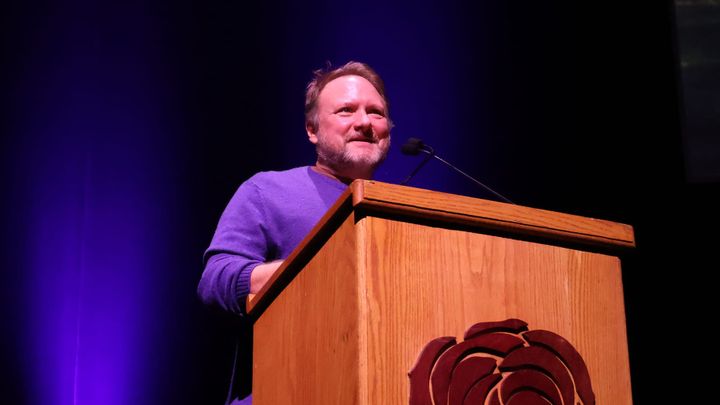
Knopper made that case Sept. 1 during a Society of Professional Journalists Colorado Pro event at the Denver Press Club, where he talked about pitching, finding a niche and surviving a freelance market he described as much tougher than it used to be.
Knopper said his Billboard contract ended in February, sending him back into a heavier round of pitching. Some publications he had worked with before were now paying less, he said, even though the reporting, revisions and fact-checking had not gotten easier.
Knopper said the freelancers who last are usually the people who keep seeing stories everywhere. He compared it to "popcorn popping in their heads."
The harder part is figuring out which ideas an editor will actually buy.
Knopper said he spent years trying to get into The New York Times without much luck. Eventually, he realized he was pitching the paper without really studying it.
So he started reading the Arts & Leisure section more closely.
He noticed that music stories usually had a reason to run right then: a new album, a documentary, an anniversary or some other news peg. That changed the way he pitched.
Knopper also said having a niche helped him over and over again.
He began as a general-assignment reporter, but eventually became much more focused on the business side of music: promoters, labels, agents, ticketing and the people behind the industry.
When an editor wanted another angle or when he needed a new idea, he already knew who to call. Knopper compared it to having a beat at a newspaper.
For most of his career, Knopper said, he has pitched the idea first rather than writing the whole article before an editor agrees to take it. Otherwise, a rejection can mean hours of unpaid work.
Knopper said he follows up when editors do not respond and sometimes tries more than once before moving on. He also has his own habits about when to send pitches, including Tuesday and Friday mornings, though he presented that as personal practice, not a rule everyone should follow.
Knopper also warned that a freelance relationship can disappear as quickly as it starts.
Knopper recalled that one of his early breaks at Rolling Stone came through an editor he knew. When that editor later left the magazine, Knopper compared it to having your “mob boss” taken out: suddenly, the person inside who knew your work was gone.
“You don’t have anybody representing you with the mob anymore, so suddenly you’re exposed,” he said.
Comments ()