Skip to content
Student-led reporting for Colorado Founded at the Community College of Aurora · Independent and expanding statewide
Independent student journalism
FoxTalk

Mark Baisley backs Pell funding, says ROI should help decide which programs qualify
The Republican U.S. Senate nominee said he would preserve Pell Grants while favoring an outcome-focused approach to federal education spending.
Mark Baisley backs Pell funding, says ROI should help decide which programs qualify
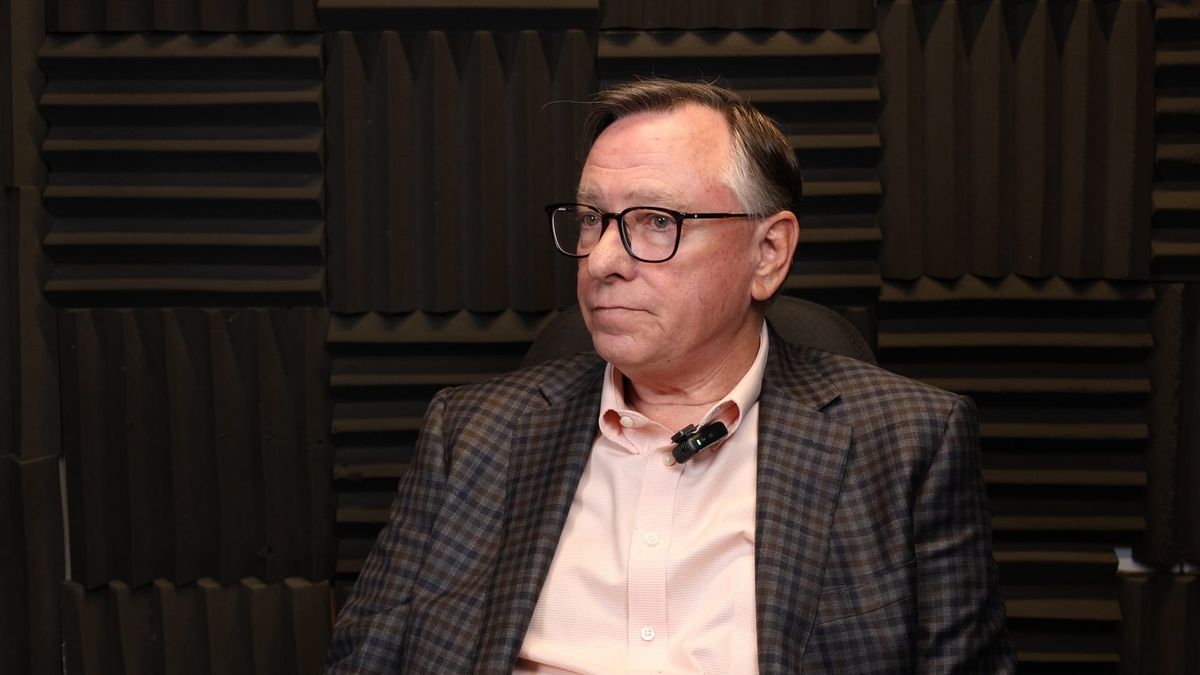
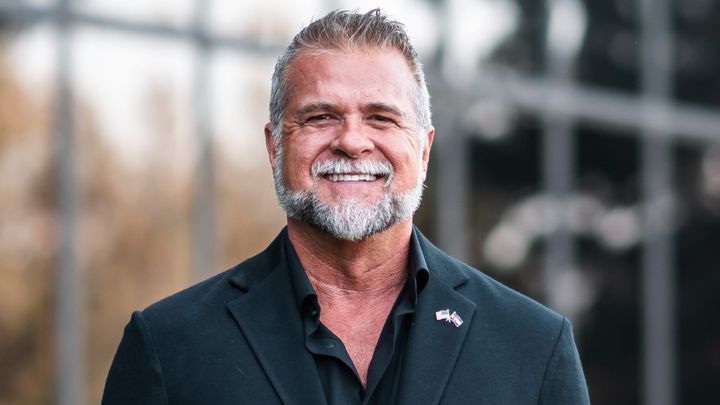
Colorado state Sen. Mark Baisley speaks during an Aug. 11 FoxTalk interview at MSU Denver. (FoxTalk)

Colorado Republican U.S. Senate nominee Mark Baisley said he would keep Pell Grants funded and pointed to a program’s return on investment as a factor in deciding which programs should qualify for the federal aid.

The comments came during an Aug. 11 FoxTalk production in partnership with MSU Denver’s student newspaper, The Metropolitan, hosted by Editor-in-Chief Kaelyn Diep. The interview came weeks after a major expansion of Pell eligibility took effect July 1, allowing eligible students to use Pell Grants for approved short-term workforce programs.

Pell Grants are federal need-based aid for undergraduate students and generally do not have to be repaid.

“I would keep those in place and make sure that Pell grants get funded,” Baisley said when asked what he would keep or change about the program as a U.S. senator.

Asked what should determine whether a program qualifies for federal Pell dollars, Baisley said, “I guess probably ROI, you know, the return on the investment.”

Baisley pointed to Metropolitan State University of Denver, where the interview was conducted, as an example. He cited the university’s relationship with Lockheed Martin and its aviation programs as education and training that connect students directly with employers.

“When you get the return on the investment very directly back from the education, then those are investments that pay off and that are really worth investing in,” he said.

Baisley did not specify how he would calculate that return or whether he would apply an ROI standard across all Pell-eligible programs.

Under the Workforce Pell rules, eligible short-term programs must meet federal requirements involving program length, completion, employment outcomes and earnings, according to the Colorado Department of Higher Education. Colorado officials have spent the summer reviewing programs that may qualify.

A separate federal accountability rule that took effect this year also uses graduate earnings to determine whether students in certain low-earning programs can continue receiving federal loans.

Baisley’s emphasis on employment outcomes also showed up when he discussed apprenticeships.

As a Colorado state senator, Baisley was a prime Senate sponsor of House Bill 24-1439, a bipartisan 2024 law that created financial incentives for employers participating in registered apprenticeship programs. Qualifying employers can receive a refundable state income tax credit of up to $12,600 per apprentice in a year.

Asked what part of that approach he would take to Washington, Baisley praised partnerships between education and employers and said apprenticeships can give students coming out of high school or college a foothold in a career.

“It’s a win for everybody,” Baisley said.

When asked more broadly what federal workforce policy he would support, Baisley said he wants a smaller government footprint and would favor reducing taxes in ways that encourage employers to hire.

The comments put more detail behind Baisley’s education and workforce positions as he campaigns against Democratic U.S. Sen. John Hickenlooper in Colorado’s Nov. 3 general election.

Support for apprenticeships and Pell Grants is not itself a sharp dividing line between the candidates. Hickenlooper has backed federal Pell Grant funding and apprenticeship investments during his Senate tenure, including federal funding announced in 2024 for apprenticeship programs in Colorado.